
RCA Webstore
RCA Webstore
Role
Role
Project Manager
Project Manager
Year
Year
2025 - Current
2025 - Current
Role
Role
Project Manager
Project Manager
Year
Year
2025 - Current
2025 - Current
The project itself :
As the Project Manager for Ron Clark Academy Shopify store, I own the full lifecycle of our e-commerce operation — from the customer-facing storefront to the backend systems powering fulfillment.
I helped drive measurable revenue growth, overhauled the shopping experience, and helped take us from a basic school storefront to a fully operational warehouse with integrated inventory and warehouse management systems.
The result was a faster, more scalable operation and a meaningfully better experience for both our customers and our internal teams.
Our store is built in Shopify and for several business reasons were unable to move from this platform. I was tasked with improving the store's functionality while making minimal changes to the overall design on the front and back ends.
Project which allows pass the crediting process step-by-step with all the information and hints in easy way.
Project Manager
Improve UX of E-Commerce site.
Implement systems to improve categorization of assets, reporting, purchasing, automation and hierarchical organization.
Introduce wholesale and customization options for B2B customers.
All about the user :
I serve as the primary decision-maker for platform configuration and third-party integrations, own vendor relationships for every tool in the stack, and lead training initiatives to bring each team up to speed on the systems they rely on.
My approach was to build systems people could actually use.
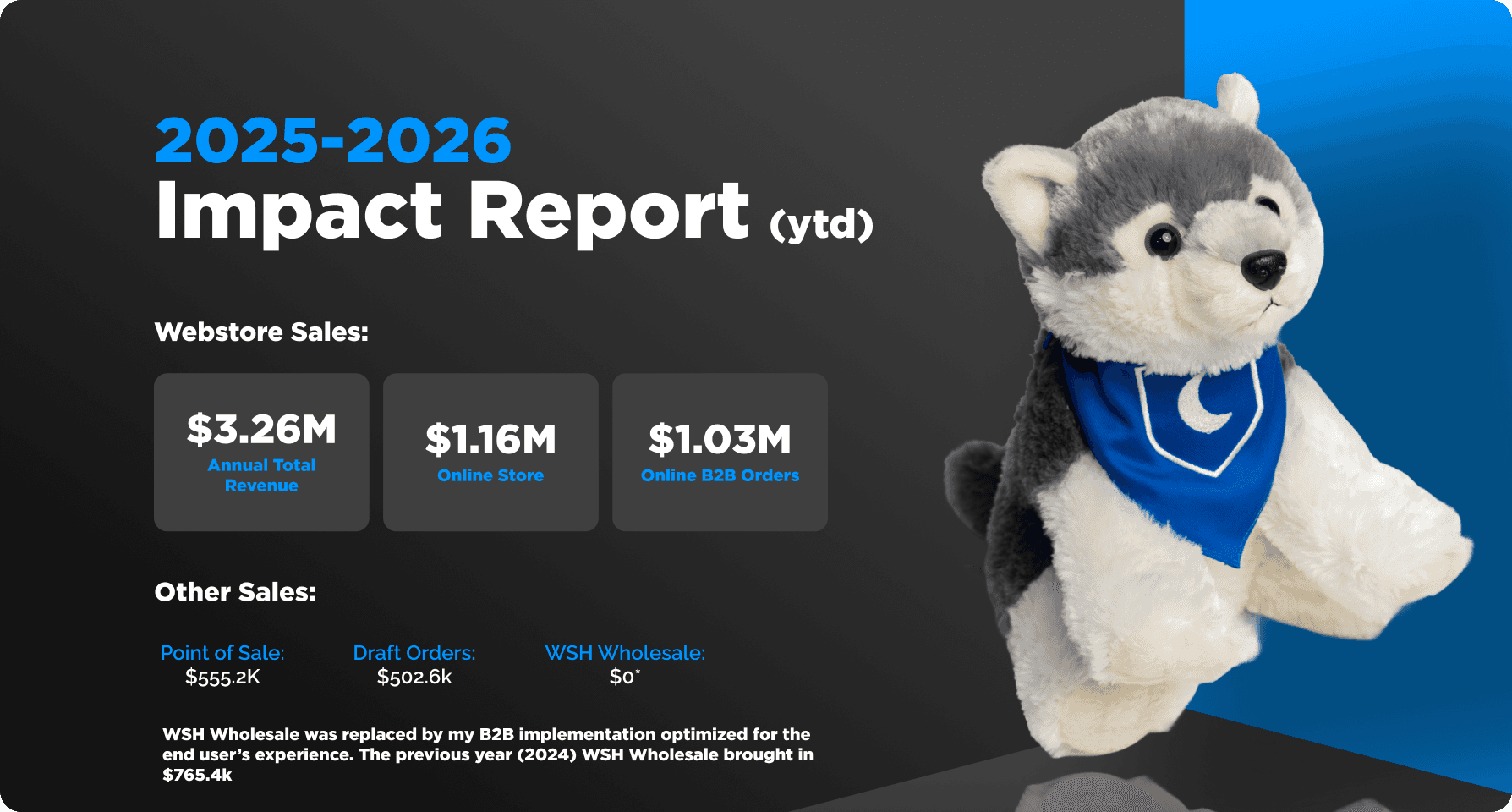
I automated low-stock alerts and reorder workflows. The team received timely, accurate signals about what needed replenishment and when, based on actual sales velocity rather than manual stock checks.
I automated product scheduling, inventory sync triggers, and internal notifications, freeing the team from routine maintenance tasks.
I automated our B2B workflows including wholesale order confirmations, and account approvals automatically, ensuring the wholesale channel operated independently without creating additional overhead for the web team.
The project schematically :
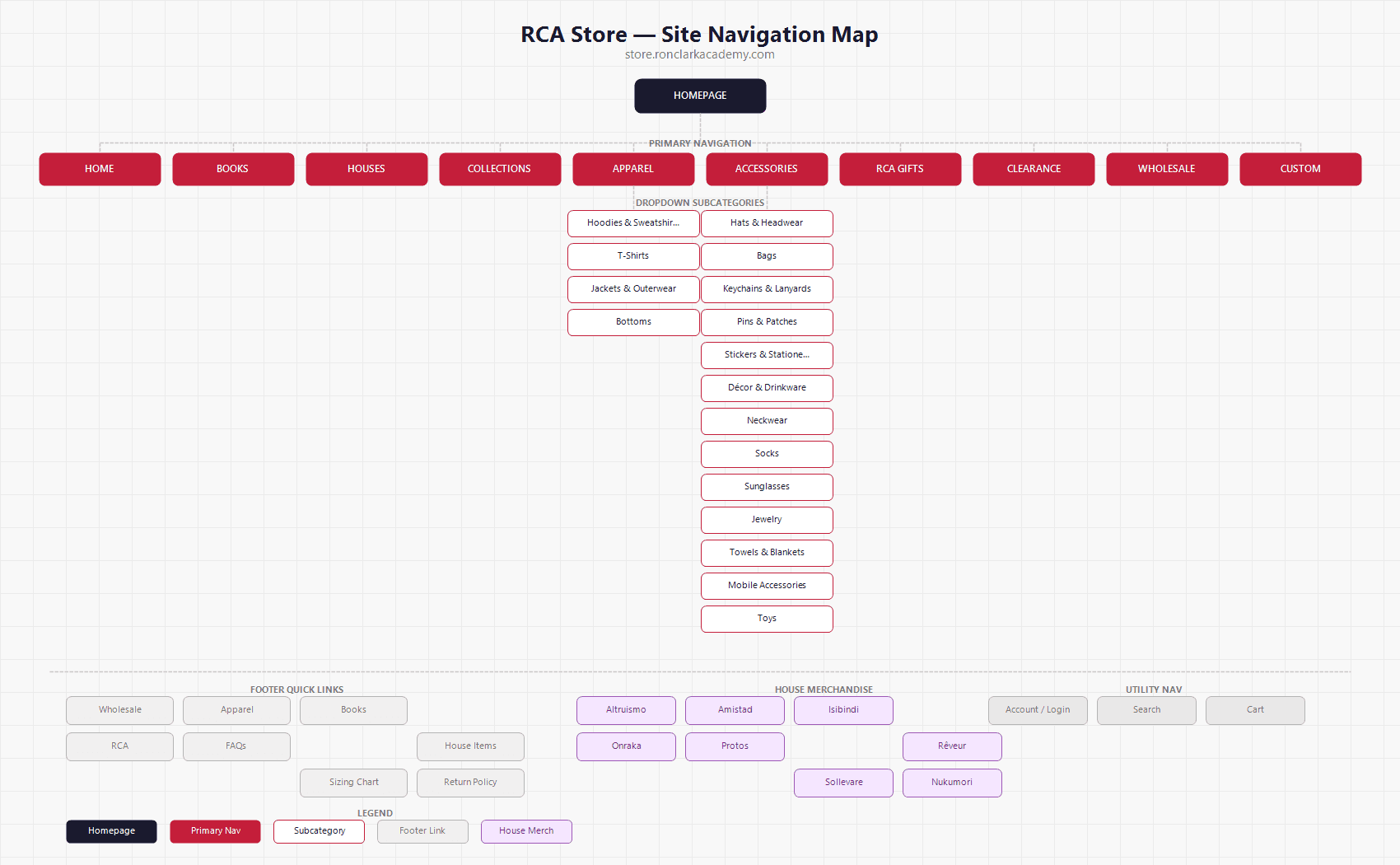
When I took over, the store's navigation was cluttered and made it harder than it needed to be for customers to find what they were looking for.
Drop-off data confirmed what the structure suggested — customers were leaving before reaching checkout.
The new site structure
The original plan was a full audit of the site architecture, identifying friction points at every stage of the shopping journey. Things are never that simple though. The school moves faster than most corporate entities I've worked with so we had to update pain points as needed.
My main concern was the navigation. The goal was simple: fewer clicks, less confusion, more completed purchases.
Making it easier for those who want our products to get them.
The school already had a wholesale catalog which was viewable online but the customer had to jump through hoops to make an order.
Additionally there were restrictions on how customers could purchase items including tight minimum requirements (size and color minimums) and no way to mix and match which we learned was a point of fall of for customers as it made it difficult implement the house system.
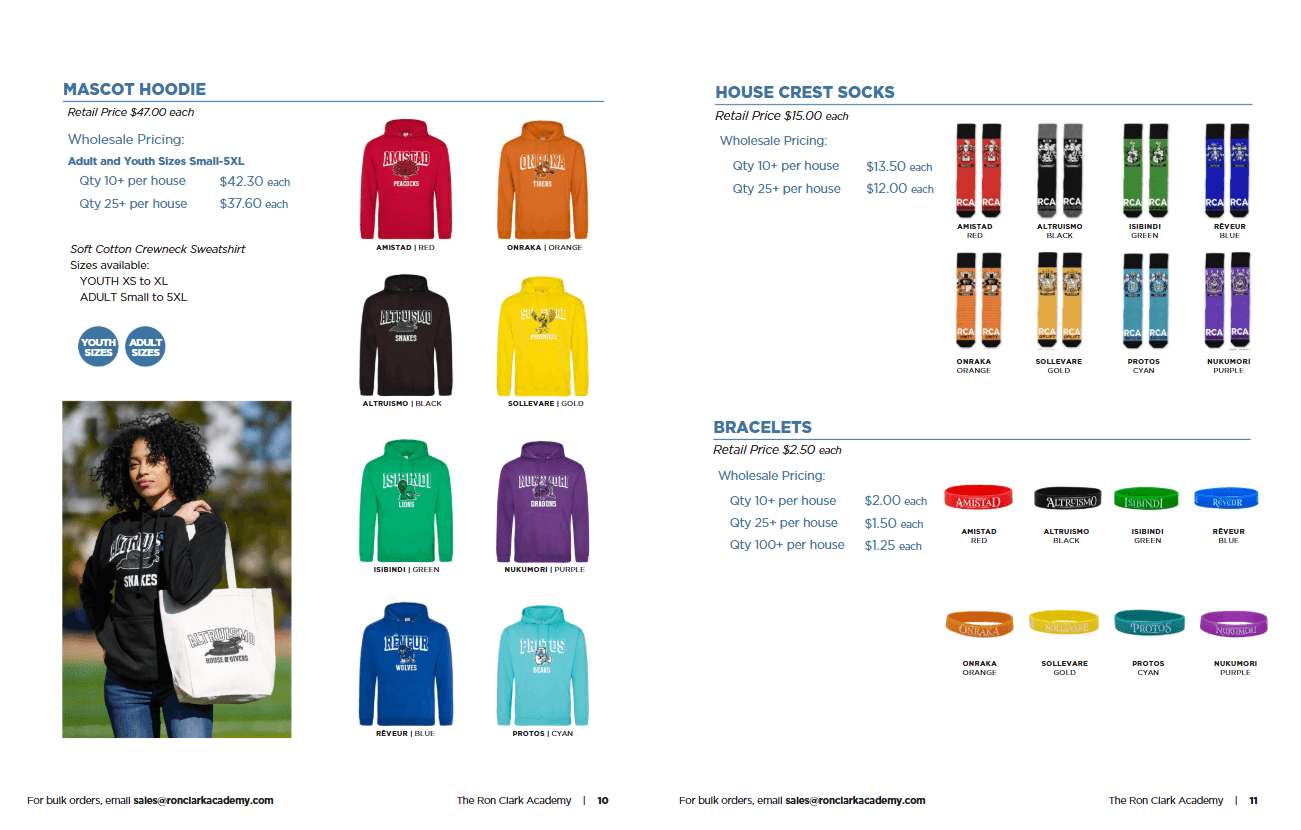
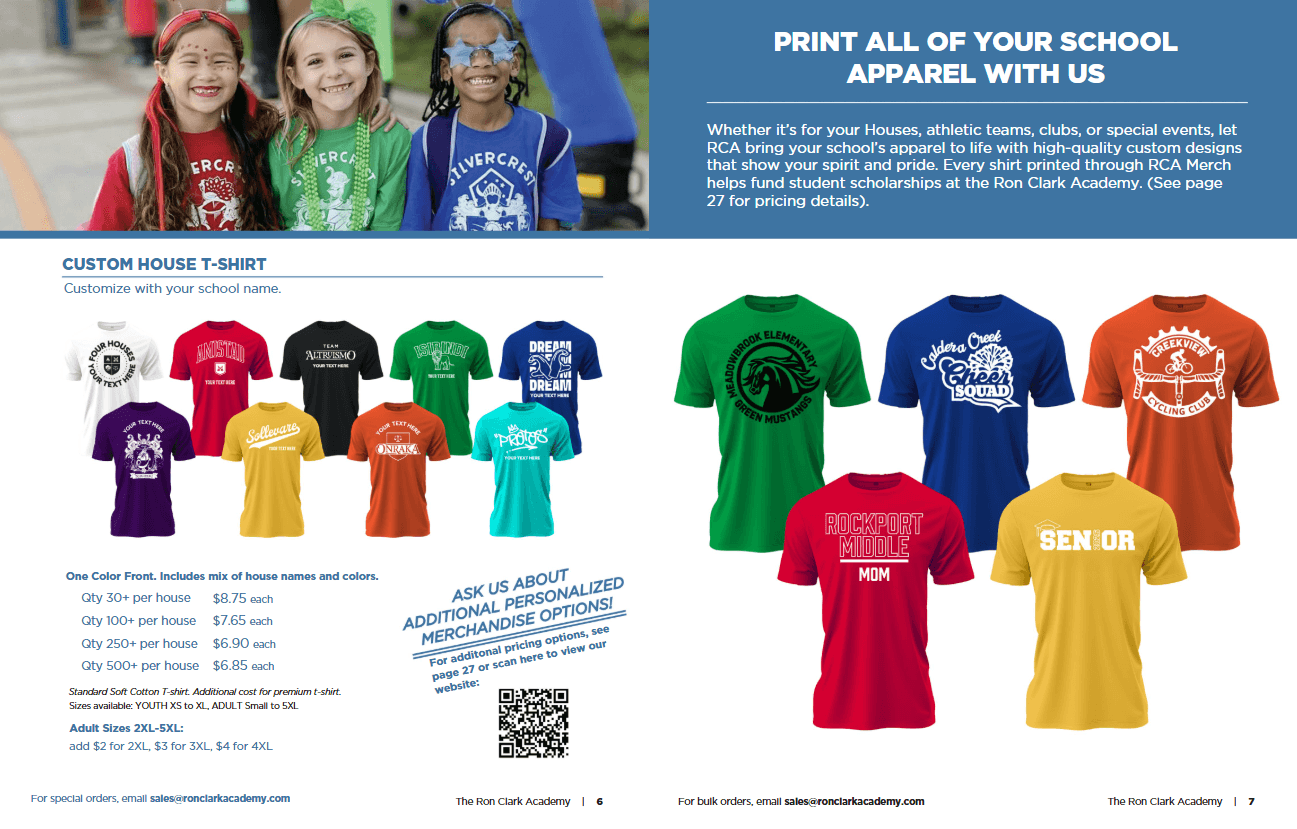
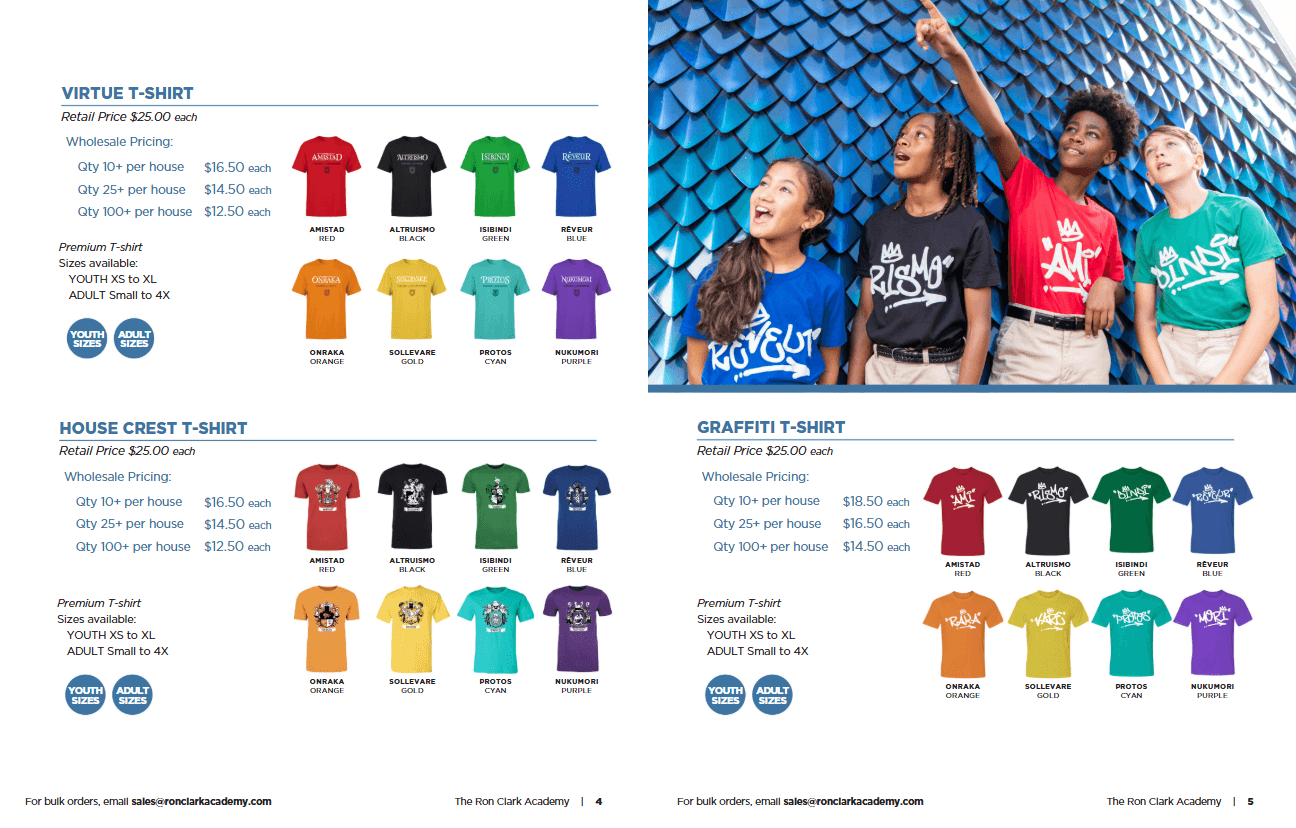
Working along side the graphic design and merchandise team we came up with 2 solutions. The ability for users to create profiles which would grant them access to a wholesale portal where I was able to create custom wholesale and B2B rules for specific users.
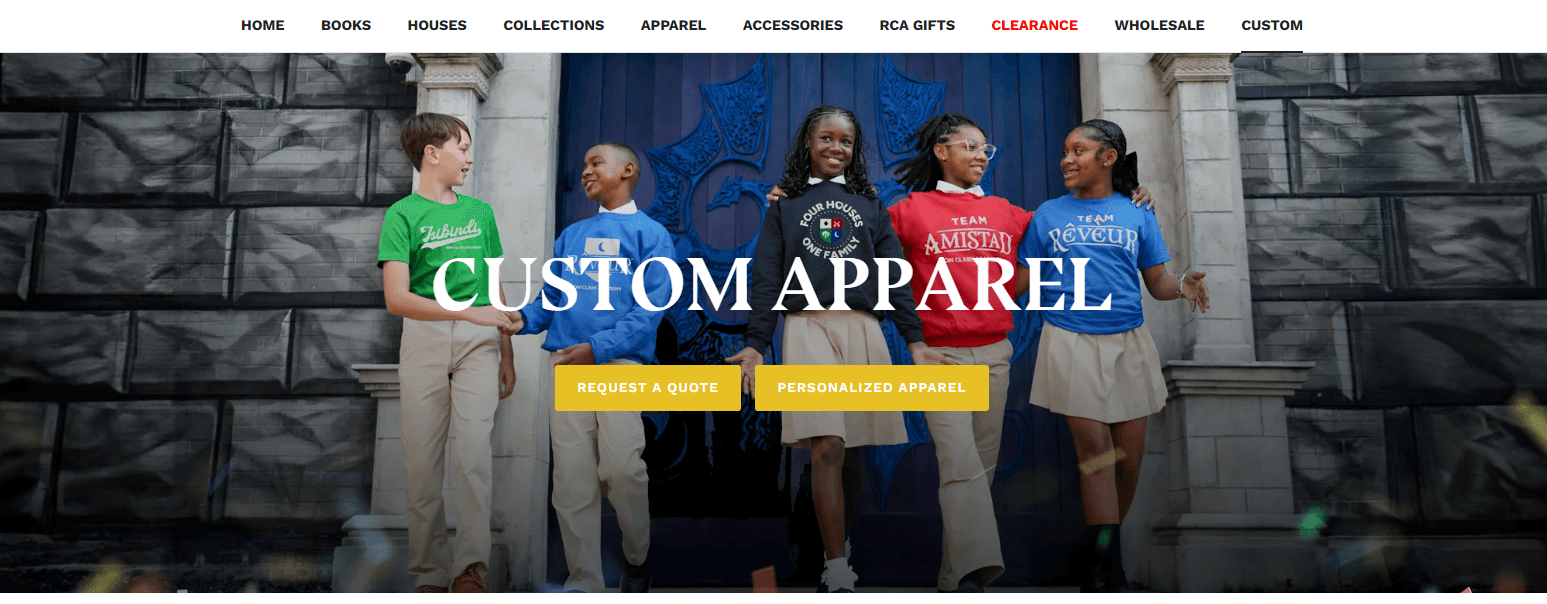
The second solution was the implementation of a custom apparel portal which allowed our B2B clients the ability to customize designs with our assets. This allows them the ability to add their own school flair with our house system or even create their own house system.
Putting users first helped us jump to new heights.
Since stepping into the lead role, the store has seen consistent, compounding growth. Obviously this isn't all my doing but my work on a customer first experience has undoubtedly helped drive this growth.
Online sales increased by 55% from 2024 to 2025, with total online sales rising from $765K to $1.19 million. These results didn't come from a single change — they were the product of deliberate, layered improvements to how customers discover, evaluate, and purchase products across the site.
Currently I manage 9990 individual SKUs.
Since implementing the B2B portal we have added 1052 users as of April 2026.
Our users now have a more efficient way to acquire the items they need to implement the house system in their schools which in turn extends our school's reach.
Working with a larger team in a sector I wasn't familiar with and how I can apply my knowledge of UX to help those teams accomplish their goals.
Continue analyzing user pain points and look for solutions to ease them.
Identify any additional areas of need and ideate on new features.
Role
Role
Project Manager
Project Manager
Year
Year
2025 - Current
2025 - Current
The project itself :
As the Project Manager for Ron Clark Academy Shopify store, I own the full lifecycle of our e-commerce operation — from the customer-facing storefront to the backend systems powering fulfillment.
I helped drive measurable revenue growth, overhauled the shopping experience, and helped take us from a basic school storefront to a fully operational warehouse with integrated inventory and warehouse management systems.
The result was a faster, more scalable operation and a meaningfully better experience for both our customers and our internal teams.
Our store is built in Shopify and for several business reasons were unable to move from this platform. I was tasked with improving the store's functionality while making minimal changes to the overall design on the front and back ends.
Project which allows pass the crediting process step-by-step with all the information and hints in easy way.
Project Manager
Improve UX of E-Commerce site.
Implement systems to improve categorization of assets, reporting, purchasing, automation and hierarchical organization.
Introduce wholesale and customization options for B2B customers.
All about the user :
I serve as the primary decision-maker for platform configuration and third-party integrations, own vendor relationships for every tool in the stack, and lead training initiatives to bring each team up to speed on the systems they rely on.
My approach was to build systems people could actually use.
I automated low-stock alerts and reorder workflows. The team received timely, accurate signals about what needed replenishment and when, based on actual sales velocity rather than manual stock checks.
I automated product scheduling, inventory sync triggers, and internal notifications, freeing the team from routine maintenance tasks.
I automated our B2B workflows including wholesale order confirmations, and account approvals automatically, ensuring the wholesale channel operated independently without creating additional overhead for the web team.
The project schematically :
When I took over, the store's navigation was cluttered and made it harder than it needed to be for customers to find what they were looking for.
Drop-off data confirmed what the structure suggested — customers were leaving before reaching checkout.
The new site structure
The original plan was a full audit of the site architecture, identifying friction points at every stage of the shopping journey. Things are never that simple though. The school moves faster than most corporate entities I've worked with so we had to update pain points as needed.
My main concern was the navigation. The goal was simple: fewer clicks, less confusion, more completed purchases.
Making it easier for those who want our products to get them.
The school already had a wholesale catalog which was viewable online but the customer had to jump through hoops to make an order.
Additionally there were restrictions on how customers could purchase items including tight minimum requirements (size and color minimums) and no way to mix and match which we learned was a point of fall of for customers as it made it difficult implement the house system.
Working along side the graphic design and merchandise team we came up with 2 solutions. The ability for users to create profiles which would grant them access to a wholesale portal where I was able to create custom wholesale and B2B rules for specific users.
The second solution was the implementation of a custom apparel portal which allowed our B2B clients the ability to customize designs with our assets. This allows them the ability to add their own school flair with our house system or even create their own house system.
Putting users first helped us jump to new heights.
Since stepping into the lead role, the store has seen consistent, compounding growth. Obviously this isn't all my doing but my work on a customer first experience has undoubtedly helped drive this growth.
Online sales increased by 55% from 2024 to 2025, with total online sales rising from $765K to $1.19 million. These results didn't come from a single change — they were the product of deliberate, layered improvements to how customers discover, evaluate, and purchase products across the site.
Currently I manage 9990 individual SKUs.
Since implementing the B2B portal we have added 1052 users as of April 2026.
Our users now have a more efficient way to acquire the items they need to implement the house system in their schools which in turn extends our school's reach.
Working with a larger team in a sector I wasn't familiar with and how I can apply my knowledge of UX to help those teams accomplish their goals.
Continue analyzing user pain points and look for solutions to ease them.
Identify any additional areas of need and ideate on new features.